What They Don't Tell You Before Air Duct Cleaning
Insider preparation secrets from 1,400+ jobs: what to expect, how long it really takes, the mess factor, and avoiding common mistakes

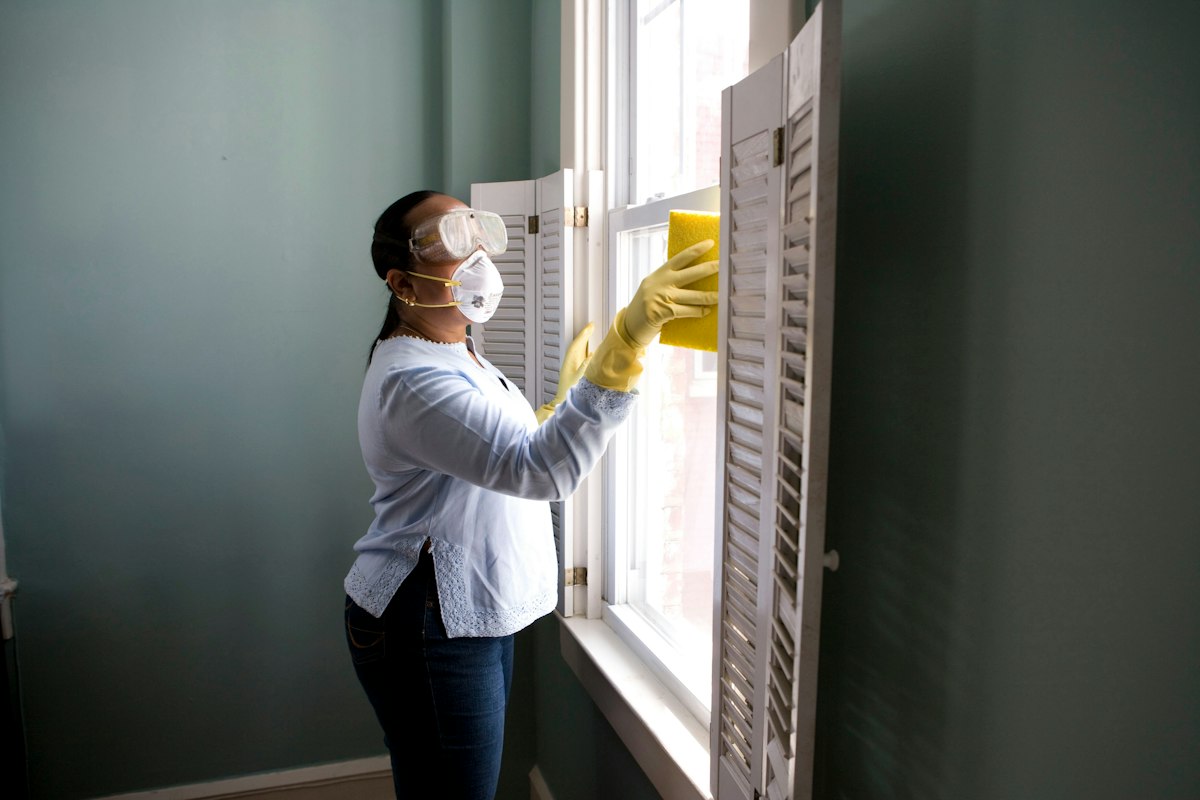
Last Tuesday, I arrived at a house in Richardson for a scheduled air duct cleaning appointment. The homeowner met me at the door looking stressed.
"I didn't know I was supposed to move furniture," she said. "And my dogs are freaking out from the truck noise. How long is this going to take? I have a Zoom call in an hour."
This happens constantly. Companies book appointments without explaining what actually happens during service. Homeowners expect a quick, quiet job. Then reality hits: 3-5 hours of work, moderate noise levels, technicians accessing every room, and their HVAC system shut off the whole time.
I've completed over 1,400 air duct cleaning jobs across Texas. I'm a NADCA certified technician and train new team members on customer service. And the number one complaint I hear isn't about our work—it's about expectations not matching reality.
So let me tell you everything companies should explain before you book, but usually don't.
Why Companies Don't Tell You This Upfront
Most companies fear that if they're honest about the time, noise, and disruption involved, you won't book. So they gloss over details, schedule the appointment, and hope you'll just deal with it when they arrive.
That's terrible customer service. You deserve to know exactly what you're signing up for before technicians show up at your door.
The Complete Pre-Service Preparation Checklist
Here's everything you should do before the cleaning crew arrives. This isn't optional stuff—doing these things makes the job faster, more thorough, and less stressful for everyone.
✓ 12 Things to Do Before Technicians Arrive
Clear 3-Foot Radius Around All Vents
Move furniture, plants, decorations, and anything else blocking access to supply vents (ceiling or high wall vents) and return vents (larger grilles on walls). Technicians need to remove every single register and grille. If we have to move your stuff, the job takes longer.
Provide Clear Path to Furnace/Air Handler
We need easy access from your entry door to your HVAC equipment. Clear hallways, remove boxes from furnace rooms, and make sure we can reach the air handler or furnace without climbing over storage. This is where we connect the main vacuum system.
Secure Pets in Separate Room
Our equipment is loud (70-85 decibels). Doors will be open constantly as technicians move between rooms and outside. Dogs and cats get stressed, try to escape, or bark continuously. Put them in a room we won't need to access, or consider taking them to daycare/a friend's house for the day.
Remove Items from Furnace Room
Clear storage boxes, holiday decorations, and anything else from around your furnace or air handler. We'll be working here extensively—cleaning the blower compartment, accessing ductwork, and setting up equipment. Give us room to work safely.
Inform Family Members of Service Duration
Tell everyone the service takes 3-5 hours minimum. Your AC or heat will be off the entire time. There will be moderate noise. Technicians will access every room with vents. If family members have important calls or need quiet time, they should plan to be elsewhere.
Protect Valuable or Fragile Items
We use floor runners and drop cloths, but accidents can happen. Move expensive artwork, fragile decor, and valuables away from vent areas and paths technicians will use. We're careful, but removing risk is smart.
Ensure Attic or Crawlspace Access
If your ductwork runs through the attic or crawlspace, make sure we can access it. Clear items blocking attic stairs or crawlspace doors. Let us know if access panels are in closets or behind furniture.
Identify Problem Areas
Make a list of specific concerns: rooms with poor airflow, vents with musty odors, areas with excessive dust, or suspected mold locations. Tell technicians during initial inspection so they pay extra attention to these spots.
Plan to Stay Home
You need to be present during service for access, answering questions, and reviewing before/after inspection results. Schedule the appointment when you can dedicate 3-5 hours to being home. Don't plan errands or appointments during this window.
Change HVAC Filter Day Before
Install a fresh air filter the day before service. After cleaning, your system will be more efficient and we want a clean filter to maintain that. If you need help finding the right filter, ask during scheduling.
Clear Outdoor Area for Truck
The truck-mounted vacuum system parks outside your home. We need space near your house (usually driveway or street curb) and access to run the main hose inside. Move vehicles blocking the best parking spot.
Disable Security System Temporarily
Doors will be opening constantly as technicians move between inside and outside. Either disable your system during service or let us know the code. Nothing worse than setting off alarms repeatedly for hours.
The Real Timeline: What Actually Happens Hour by Hour
Companies quote vague timeframes like "a few hours." Let me give you the exact breakdown for a typical 2,000 square foot home in Dallas or Houston.
Initial Inspection & Documentation
What happens: Technicians walk through your entire home, counting vents, identifying ductwork layout, and performing camera inspection of accessible areas. You'll see exactly what's in your ducts via video monitor.
What you'll notice: Technicians taking notes, photos, and measurements. They might access your attic or crawlspace to inspect duct connections.
Equipment Setup & Home Protection
What happens: Floor runners laid from entry to furnace room. Drop cloths placed under work areas. The main vacuum hose (8-10 inches diameter) runs from the truck-mounted system outside into your home, connecting to your HVAC system.
What you'll notice: Large hose running through your house. Truck engine running outside (this continues for entire job). Your thermostat will be turned off.
Supply Duct Cleaning
What happens: Every supply vent register removed individually. Rotary brush tools inserted into each duct run. Brushing action loosens contamination while negative pressure pulls debris out. Each vent cleaned separately and thoroughly.
What you'll notice: Technicians working room by room. Moderate noise from brushing equipment. Constant vacuum suction sound. Registers temporarily removed from walls or ceilings.
Return Duct & Plenum Cleaning
What happens: Larger return grilles removed. Return plenum (main collection box) accessed and cleaned. These areas typically contain the most contamination because they pull in all the dust from your home.
What you'll notice: More intensive work in areas with large return vents. Possibly visible dust when returns are first opened (this is normal and immediately captured by the vacuum system).
Trunk Line & Main Duct Cleaning
What happens: Main trunk lines (large rectangular ducts) cleaned using extended brush tools. Access holes may be created in ductwork and properly sealed afterward. This ensures complete system cleaning.
What you'll notice: Technicians possibly accessing attic or basement. Metal cutting sounds if creating access points (these are sealed professionally after cleaning).
Blower & Coil Cleaning
What happens: Blower compartment accessed. Blower fan blades and housing cleaned. Accessible evaporator coil surfaces cleaned. This is crucial for HVAC efficiency and air quality.
What you'll notice: Extended work at the furnace or air handler location. Possibly the dirtiest part of the job—years of accumulated dust on the blower.
Dryer Vent Cleaning
What happens: Dryer disconnected. Complete dryer vent cleaning from dryer to exterior vent. Lint removal and airflow verification. This is included in our complete air duct cleaning service.
What you'll notice: Work in laundry room. Dryer temporarily disconnected. Check exterior dryer vent if you want to see the difference—often dramatically improved airflow.
Sanitization & Final Inspection
What happens: EPA-registered antimicrobial treatment applied throughout duct system. Final camera inspection showing clean ducts. All registers and grilles reinstalled. Complete cleanup. Before/after documentation review with you.
What you'll notice: Slight sanitizer odor (safe and dissipates quickly). Technicians cleaning up, removing equipment, and restoring everything to normal. Your HVAC system turned back on.
💡 Pro Tip: Plan for Longer
While 3-5 hours is typical, larger homes (3,000+ sq ft), heavily contaminated systems, or complex ductwork layouts can take 5-7 hours. If technicians discover mold requiring additional remediation, that extends time further. Always schedule with buffer time—don't plan anything important the same day.
The Noise Factor: What You'll Actually Hear
Let's be honest about noise levels. This isn't a quiet process. Here's what to expect:
| Sound Source | Noise Level | Duration | What It Sounds Like |
|---|---|---|---|
| Truck Engine | 70-75 dB | Entire job (3-5 hrs) | Diesel truck idling outside |
| Vacuum System | 75-80 dB | Entire job (3-5 hrs) | Industrial shop vac (louder than home vacuum) |
| Rotary Brushes | 70-75 dB | Intermittent (60-90 min total) | Power drill or rotary tool |
| Air Compressor | 80-85 dB | Intermittent (30-45 min total) | Gas-powered tools |
| Metal Cutting (if needed) | 85-90 dB | Intermittent (10-20 min total) | Power saw or grinder |
For reference: Normal conversation is 60 dB. A vacuum cleaner is 70 dB. A lawn mower is 90 dB. Our equipment falls in the middle range—louder than normal household activity but not painfully loud.
Noise Management Tips:
- Close doors to rooms where people need quiet (though this limits technician access)
- Use noise-canceling headphones for video calls or focused work
- Consider scheduling service when you can be out for a few hours (though we prefer you're home for inspection)
- If you have infants or young children who nap, schedule around their sleep schedule
- Elderly family members or those sensitive to noise should plan to be elsewhere
The Mess Question: Will It Be Dirty?
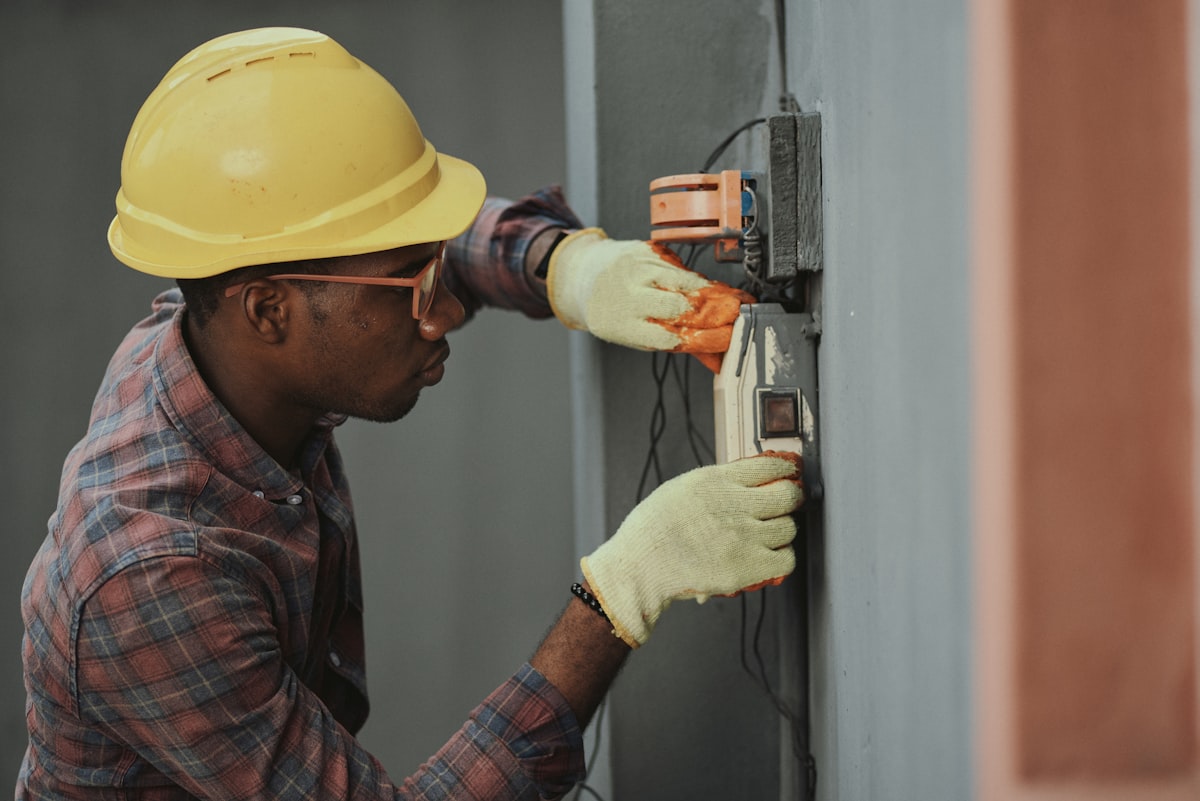
This is the number one question: "Will there be dust everywhere?"
Short answer: No, when done by professionals with proper equipment.
Longer answer: Here's exactly what happens regarding cleanliness:
What Professional Companies Do:
- HEPA filtration: Our truck-mounted system has HEPA filters capturing 99.97% of particles. Dust goes directly from your ducts into sealed filtration outside.
- Negative pressure: The vacuum creates 10-15 inches of suction, preventing dust from escaping into your home.
- Floor protection: Heavy-duty runners on all walking paths prevent dirty shoes from tracking anything.
- Drop cloths: Placed under work areas to catch any debris when registers are removed.
- Containment procedures: We close supply vents in rooms not being worked on to prevent cross-contamination.
What You Might See:
- Small dust puff when registers are first removed (immediately vacuumed)
- Some visible dust in furnace room during blower cleaning (we clean this up)
- Slight dust residue on floor runners (removed when we leave)
- After service, your home should actually be cleaner because we removed the contamination source
Red Flags (Not Normal):
- Dust clouds throughout your house
- Dirty footprints on carpets
- Debris left around vents
- No floor protection used
- Company says "it's going to be messy"
If a company warns you to expect a mess, they don't have proper equipment. Professional air duct cleaning with truck-mounted systems and HEPA filtration is clean. If they're using portable shop vacuums, it will be messy—because those don't have the suction or filtration to contain dust properly.
⚠ Common Preparation Mistakes
- Scheduling during busy time: Don't book when you have work calls, kids' activities, or need to leave. You need to be available the full 3-5 hours.
- Not moving furniture: We can move some items, but this adds 30-60 minutes to the job and risks damage.
- Forgetting about pets: Scared dogs barking for 4 hours makes everyone miserable. Plan ahead.
- Expecting AC/heat to work: Your HVAC is off during service. In summer or winter, this affects comfort. Schedule accordingly.
- Not asking questions upfront: If you have concerns or special situations, tell the company when booking, not when we arrive.
What to Expect: The Complete Experience
Equipment & Trucks
Large truck parked near your home with mounted vacuum system. Professional branding, clean appearance. Technicians in uniform with ID badges and booties for indoor work.
Technician Team
Usually 2 technicians for efficiency. NADCA certified with visible credentials. Professional, respectful, and willing to answer questions. Background-checked and insured.
Documentation
Before/after camera inspection showing your duct condition. Photos provided either digitally or in printed report. Written documentation of work performed and findings.
Tools & Process
Rotary brushes, inspection cameras, air compressors, hand tools. Professional-grade equipment, not Home Depot rentals. Systematic room-by-room approach following NADCA standards.
Airflow Testing
Some companies measure airflow before and after to document improvement. Not all do this, but it's a nice touch showing measurable results.
Sanitization
EPA-registered antimicrobial application throughout system. Slight chemical odor that dissipates within hours. Optional service with some companies, included with others.
Temperature Considerations: No AC or Heat During Service
This surprises people every time: your HVAC system will be completely off for 3-5 hours.
Why: We're working inside your ductwork and HVAC system. Running the system during cleaning is dangerous and ineffective. Everything must be powered down.
What This Means:
- Summer in Texas: Your house will get warm. In Houston, Katy, or Pearland, expect temperatures to rise 5-10 degrees during service. Open windows if weather permits.
- Winter (less common issue in Texas): In Dallas or Plano during cold snaps, your house will cool down. Dress warmly or use space heaters in rooms you're occupying.
- Shoulder seasons: Best time to schedule is spring or fall when outdoor temperatures are comfortable. Less stress on your family during service.
Scheduling tip: Book morning appointments in summer (start at 8 AM, finish before peak heat). Book afternoon appointments in winter (warmest part of day).
Questions to Ask Before Technicians Arrive
Don't wait until we're at your door to get answers. Ask these questions when booking:
About The Service:
- "Exactly how long will this take?" (Answer should be 3-5 hours minimum)
- "What equipment do you use?" (Should mention truck-mounted system)
- "Is dryer vent cleaning included?" (Should be yes for complete service)
- "Do you provide before/after documentation?" (Answer should be yes)
- "What's included in the quoted price?" (Get specifics in writing)
About Access & Logistics:
- "Do you need attic or crawlspace access?" (Depends on your ductwork layout)
- "Where will you park the truck?" (Plan accordingly)
- "How many technicians will come?" (Usually 2 for residential)
- "What should I do to prepare?" (They should provide checklist)
- "Will my AC/heat be off during service?" (Answer is yes, plan accordingly)
About The Company:
- "Are you NADCA certified?" (Verify at nadca.com)
- "Do you have insurance?" (Request certificate)
- "What's your guarantee?" (Should have written satisfaction guarantee)
- "Who do I contact if there's a problem?" (Get direct number)
After Service: What Happens Next
Service doesn't end when technicians leave. Here's what to expect in the days and weeks after:
Immediately After (Day 1):
- Your HVAC system turned back on and tested
- All registers and grilles reinstalled properly
- Complete cleanup—home should be clean
- Documentation provided (photos, report, receipt)
- Slight sanitizer odor that dissipates within hours
First Week:
- Noticeably improved airflow from vents
- Cleaner air smell when HVAC runs
- Less dust accumulation on furniture
- More consistent temperatures between rooms
- Quieter system operation
First Month:
- First energy bill showing cost reduction (typically 15-30% savings)
- Reduced allergy symptoms if you have sensitivities
- Significantly less frequent dusting needed
- Overall improved home comfort
Ongoing Maintenance:
- Change air filters every 3 months minimum (more often with pets)
- Schedule annual HVAC maintenance to maintain efficiency
- Next professional duct cleaning in 5-7 years
- Monitor for any return of symptoms or dust issues
💡 Pro Tip: Take Before Photos
Before service starts, take photos of dust on furniture, vents, and problem areas. Compare these to the week after cleaning. The difference is often dramatic and helps you appreciate the value of the service you just paid for.
Get Complete Pre-Service Consultation
We believe in zero surprises. When you book with us, we provide:
- Detailed preparation checklist sent 48 hours before appointment
- Confirmation call day before to answer questions
- Exact time window (not "between 8-5")
- Written explanation of our process
- Direct technician contact number
Serving Dallas, Houston, Pearland, Katy, Plano, and 72+ Texas cities.
Schedule Service: (855) 776-1259